
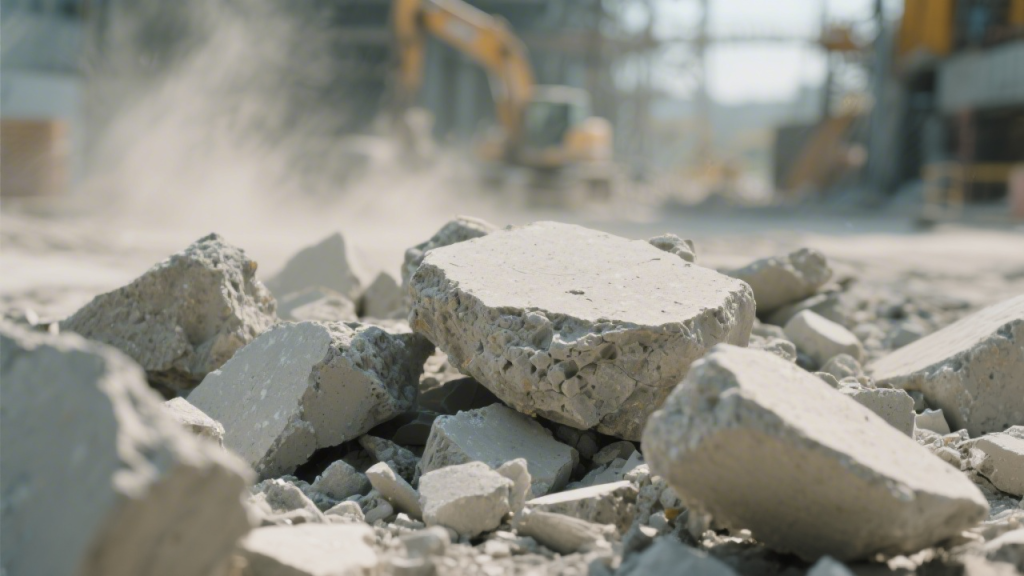
Environmental responsibility has become a central issue in the construction industry. Governments, municipalities, and regulatory agencies are introducing stricter policies designed to reduce landfill waste and encourage sustainable building practices. As a result, contractors must adapt their operations to comply with evolving environmental regulations for construction waste. One of the most effective strategies for meeting these requirements is construction recycling. By using modern solutions such as concrete recycling equipment, contractors can process materials directly on-site, reduce waste, and operate in compliance with current environmental standards.
Today, construction recycling for contractors is no longer simply an environmental initiative. It has become a practical and necessary approach to managing construction debris while maintaining project efficiency.
The Growing Importance of Construction Waste Regulations
Construction and demolition activities generate enormous volumes of waste each year. Materials such as concrete, asphalt, wood, brick, and metals make up a significant portion of landfill deposits worldwide.
To address this issue, many governments have introduced stricter construction waste recycling regulations. These regulations often require contractors to separate recyclable materials, limit landfill disposal, and demonstrate responsible waste management practices.
In some regions, contractors must provide documentation showing how construction debris is handled and recycled. Projects funded by government agencies may also require contractors to meet specific recycling targets.
Failing to comply with these regulations can result in fines, project delays, or loss of future contract opportunities. As a result, many companies are now prioritizing recycling strategies as part of their project planning.
What Is Construction Recycling?
Construction recycling involves recovering and reprocessing materials generated during construction or demolition projects. Instead of sending debris to landfills, contractors separate and recycle materials so they can be reused in new construction.
Common recyclable construction materials include:
- Concrete
- Asphalt
- Brick
- Metal
- Wood
- Stone
Through sustainable construction waste management, these materials can be processed and returned to the building cycle as reusable resources.
For example, crushed concrete can serve as base material for roads or foundations. Recycled asphalt can be used in new pavement layers. Metals can be melted and reused in manufacturing.
This process significantly reduces landfill waste while lowering the environmental impact of construction activities.
How Recycling Helps Contractors Meet Environmental Standards
Implementing construction recycling for contractors provides several advantages when it comes to regulatory compliance.
First, recycling reduces the amount of waste sent to landfills. Many environmental regulations are specifically designed to limit landfill usage. Contractors who recycle materials can demonstrate compliance with these policies more easily.
Second, recycling helps contractors meet sustainability requirements often included in government or commercial development projects. Many building programs now encourage or require environmentally responsible practices.
Finally, recycling contributes to reduced emissions and resource conservation. By reusing materials rather than extracting new resources, contractors help minimize the environmental footprint of construction projects.
The Role of Recycling Equipment
Efficient recycling depends heavily on the equipment used to process construction materials. Modern construction debris recycling equipment allows contractors to break down demolition debris and prepare it for reuse.
Crushing and screening machines are commonly used to process concrete, asphalt, and stone. These machines break large pieces of debris into smaller aggregate materials suitable for construction applications.
Many contractors now use on-site concrete recycling equipment to handle materials directly on the jobsite. This approach eliminates the need to transport debris to distant recycling facilities.
On-site processing allows materials to be recycled immediately, improving project efficiency and helping contractors maintain compliance with environmental regulations.
Reducing Transportation and Landfill Impact
One of the major environmental benefits of recycling construction materials is the reduction in transportation and landfill use.
Traditional demolition practices often require transporting debris to landfill sites or recycling facilities many miles away. This process consumes fuel and increases greenhouse gas emissions.
By implementing sustainable construction waste management, contractors can significantly reduce transportation requirements. Materials can be processed and reused directly at the jobsite.
This approach lowers fuel consumption while minimizing traffic congestion around construction areas. It also reduces the strain placed on landfill facilities that are already nearing capacity in many regions.
Recycling Concrete and Asphalt
Concrete and asphalt are among the most frequently recycled materials in construction. These materials make up a large percentage of demolition debris but are also highly suitable for reuse.
Using construction debris recycling equipment, contractors can crush concrete into smaller aggregates used in new construction projects.
Recycled concrete can serve as:
- Road base material
- Foundation support layers
- Drainage systems
- Structural fill
Similarly, asphalt removed during road reconstruction can be processed and incorporated into new pavement layers.
Recycling these materials not only helps contractors meet construction waste recycling regulations, but also reduces the demand for newly mined aggregate resources.
Economic Benefits of Recycling
While environmental compliance is a major reason contractors adopt recycling practices, the financial benefits are also significant.
Landfill tipping fees and transportation costs can quickly increase the overall expense of demolition projects. Recycling materials instead of disposing of them helps reduce these costs.
By implementing construction recycling for contractors, companies can transform materials that would otherwise require disposal fees into valuable resources for future construction.
Recycled aggregates can replace purchased materials, lowering overall project expenses. In some cases, contractors may even sell recycled materials to other projects, creating additional revenue opportunities.
These economic advantages make recycling both an environmentally responsible and financially practical strategy.
Meeting Sustainability Goals in Modern Construction
Many modern construction projects are required to meet sustainability standards set by developers, government agencies, or environmental certification programs.
These standards often encourage or require sustainable construction waste management practices that reduce landfill waste and promote recycling.
Contractors who adopt recycling technologies and strategies are better positioned to meet these sustainability goals. Demonstrating effective waste management practices can also improve a company’s reputation and competitiveness when bidding on projects.
By incorporating recycling into their operations, contractors show commitment to responsible environmental practices while maintaining project efficiency.
The Future of Construction Recycling
As environmental awareness grows and regulations become more stringent, recycling will continue to play an increasingly important role in construction.
Advancements in construction debris recycling equipment and on-site concrete recycling equipment are making recycling easier and more efficient for contractors.
Mobile crushers, screening systems, and sorting technologies are allowing materials to be processed directly at construction sites, reducing waste and improving project efficiency.
These innovations are helping the industry move toward a more sustainable model where materials are reused rather than discarded.
Conclusion
Environmental regulations are reshaping how construction companies manage waste and materials. Contractors who adopt recycling practices are better prepared to meet these requirements while maintaining efficient operations.
Through construction recycling for contractors, companies can reduce landfill waste, conserve natural resources, and lower project costs. Using technologies such as construction debris recycling equipment and on-site concrete recycling equipment, contractors can process materials directly at the jobsite and reuse them in new construction.
As environmental standards continue to evolve, recycling will remain a key strategy for contractors seeking to operate responsibly while staying competitive in the construction industry.
